Top 10 Effective Strategies for Accurate Home Blood Pressure Monitoring
Monitoring your blood pressure at home has become increasingly important for individuals managing hypertension or simply seeking to maintain optimal cardiovascular health. Regular home monitoring can provide valuable insights into your blood pressure trends and help you make informed decisions about your health in collaboration with your healthcare provider. However, inaccurate readings can lead to unnecessary worry or mismanagement of treatment. This article explores the top 10 effective strategies for accurate home blood pressure monitoring, ensuring that you gather reliable data that truly reflects your health status. By implementing these strategies, you can enhance the accuracy of your readings and better understand your blood pressure fluctuations, ultimately improving your overall well-being. Let’s delve into these techniques to empower you on your journey toward better heart health.
1. Choose the Right Blood Pressure Monitor
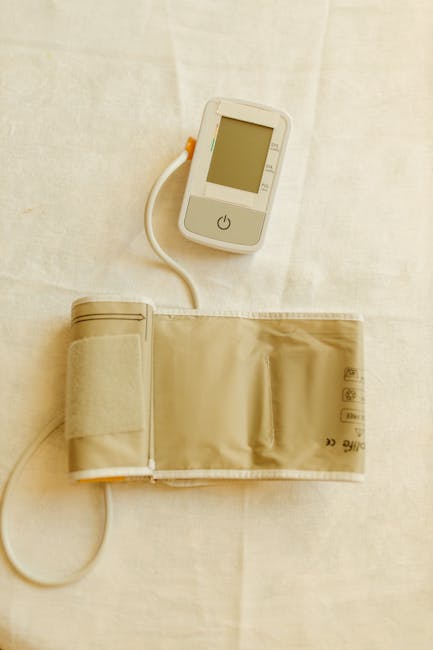
The first step to accurate home blood pressure monitoring is selecting a reliable blood pressure monitor. There are two main types: manual and automatic monitors. While manual monitors often provide more accuracy when used correctly, they require a degree of skill and practice. Automatic monitors are user-friendly and widely available, making them a popular choice for home use. When selecting a device, ensure it is validated for accuracy by reputable organizations. Look for models that have a cuff size appropriate for your arm circumference, as an ill-fitting cuff can lead to erroneous readings. Investing in a high-quality blood pressure monitor is essential to obtaining trustworthy measurements and effectively managing your health.
2. Understand How to Properly Position Yourself
Your body position during blood pressure measurement significantly influences the results. For accurate readings, sit in a comfortable chair with your feet flat on the ground and your back supported. Ensure your arm is at heart level and supported on a flat surface, such as a table. Avoid crossing your legs, as this can elevate your blood pressure. It’s also crucial to relax for about five minutes before taking a reading; stress or physical activity can temporarily raise blood pressure. By adhering to these positioning guidelines, you can minimize the variability in your readings and achieve more consistent results.

3. Establish a Routine for Measurement
Consistency is key when it comes to monitoring your blood pressure. Establishing a routine will help create a reliable set of data points over time. Choose a specific time of day to measure your blood pressure, such as in the morning after waking up or in the evening before bedtime. It’s essential to measure your blood pressure at the same times each day to account for natural fluctuations caused by daily activities, diet, and stress levels. Additionally, avoid measuring your blood pressure right after consuming caffeine, smoking, or exercising, as these factors can lead to temporary spikes in your readings. Creating a routine will help you track changes more effectively and provide your healthcare provider with valuable information.
4. Keep a Blood Pressure Log
Maintaining a blood pressure log can help you and your healthcare provider identify trends and make informed decisions about your treatment. Record the date, time, and reading for each measurement, as well as any notes on how you were feeling at the time. This information can provide context for your readings, helping to identify patterns or triggers that may affect your blood pressure. Many digital monitors come with apps that allow you to track and store your readings conveniently. Alternatively, you can use a simple notebook or spreadsheet to keep track of your measurements. By regularly reviewing your log, you can become more aware of your blood pressure patterns and discuss them with your healthcare provider for better management.

5. Monitor Your Technique
Even the best blood pressure monitor can yield inaccurate readings if not used correctly. Familiarize yourself with your device’s instructions and practice the correct measurement technique. Ensure the cuff is securely wrapped around your arm without being too tight or too loose. The bladder of the cuff should cover about 80% of your upper arm. When taking a reading, avoid talking or moving, as this can affect the results. If you are using a manual monitor, practice inflating the cuff and listening for the sounds of the heartbeat with a stethoscope. Regularly check the calibration of your monitor according to the manufacturer’s recommendations to ensure ongoing accuracy.
6. Be Aware of Environmental Factors
Environmental factors can significantly impact your blood pressure readings. For instance, taking measurements in a noisy or chaotic environment can lead to distractions and affect your reading. It’s best to find a quiet and comfortable space to perform the measurements. Additionally, temperature can play a role; excessively hot or cold environments may influence your blood pressure. Aim for a room temperature that is comfortable and stable. Lastly, ensure that you have not recently engaged in vigorous activity or consumed caffeine, as these factors can artificially elevate your blood pressure. By controlling your environment, you can enhance the reliability of your blood pressure readings.
7. Consult Your Healthcare Provider Regularly
While home blood pressure monitoring is an essential tool for managing your health, it should not replace regular consultations with your healthcare provider. Schedule routine check-ups to discuss your readings and any concerns you may have. Your healthcare provider can help interpret your data in the context of your overall health and determine any necessary adjustments to your treatment plan. They can also guide you on the best practices for home monitoring and assist you in troubleshooting any issues with your technique or equipment. By maintaining open communication with your provider, you can ensure that your blood pressure management is as effective and informed as possible.
Conclusion
Accurate home blood pressure monitoring is a vital aspect of managing your cardiovascular health. By selecting the right monitor, positioning yourself correctly, establishing a routine, and keeping a log of your readings, you can significantly improve the precision of your measurements. Additionally, being aware of environmental factors and consulting with your healthcare provider regularly will further enhance your monitoring efforts. Implementing these ten effective strategies will empower you to take control of your blood pressure management, leading to better health outcomes and a deeper understanding of your cardiovascular status. Remember, your health is a priority, and accurate monitoring is a crucial step in your wellness journey.