Chemical Peels vs. Laser Resurfacing: Which Skin Treatment Reigns Supreme?
When it comes to rejuvenating and revitalizing the skin, two popular treatments often come to mind: chemical peels and laser resurfacing. Both methods aim to improve skin texture, reduce wrinkles, and treat various skin concerns, but they do so in distinct ways. Deciding between these two options can be challenging, especially given the myriad of skin types and conditions that individuals may have. Understanding how each treatment works, their benefits, potential side effects, and recovery times can help you make an informed decision. In this article, we will delve deep into the world of chemical peels and laser resurfacing to determine which treatment reigns supreme. Whether you’re battling sun damage, acne scars, or simply looking for a youthful glow, knowing the nuances of each method can guide you to the best choice for your skin.
What Are Chemical Peels?
Chemical peels are skin treatments that use various chemical solutions to exfoliate the skin. They come in three main types: superficial, medium, and deep peels, each differing in the depth of skin they affect. Superficial peels, which usually contain alpha-hydroxy acids (AHAs) or beta-hydroxy acids (BHAs), target the outermost layer of skin, providing a gentle exfoliation. Medium peels, often using trichloroacetic acid (TCA), penetrate deeper to address issues like fine lines and moderate sun damage. Deep peels, utilizing phenol, reach even further into the skin, effectively treating severe wrinkles and scars but requiring longer recovery times. The primary goal of chemical peels is to promote skin cell turnover, resulting in a smoother, more even skin tone and texture.
What Is Laser Resurfacing?
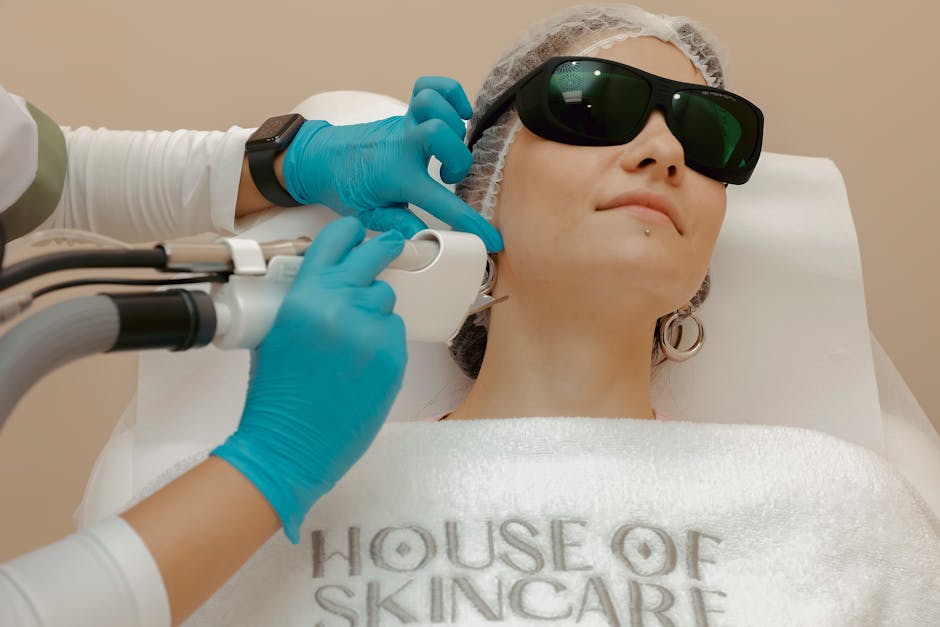
Laser resurfacing is a non-invasive procedure that uses focused laser light to remove layers of skin, promote collagen production, and enhance skin texture. There are two main types of laser resurfacing: ablative and non-ablative. Ablative lasers, such as CO2 and erbium lasers, work by vaporizing the outer layers of skin, making them effective for treating deeper wrinkles, scars, and significant sun damage. Non-ablative lasers, on the other hand, stimulate collagen production without removing the top layer of skin, making them ideal for less severe skin issues like pigmentation and minor wrinkles. The precision of laser treatment allows for targeted therapy, making it a popular choice for many skin concerns.

Benefits of Chemical Peels
Chemical peels offer a range of benefits that can significantly enhance the appearance of the skin. One of the most notable advantages is their ability to treat various skin concerns, from acne and rosacea to hyperpigmentation and sun damage. Superficial peels can be done in a lunchtime appointment, providing minimal downtime, which is ideal for busy individuals. Moreover, chemical peels can be tailored to suit different skin types and concerns, making them versatile. They also promote collagen production, leading to long-term improvements in skin texture and elasticity. Furthermore, when performed by a qualified professional, chemical peels can yield impressive results without the need for invasive surgery.
Benefits of Laser Resurfacing
Laser resurfacing boasts several benefits that make it a compelling option for individuals seeking skin rejuvenation. One significant advantage is the precision and control that lasers offer, allowing for targeted treatment of specific areas while minimizing damage to surrounding tissues. This precision can lead to faster recovery times compared to other methods. Additionally, laser resurfacing can address deeper skin issues, such as severe scars and wrinkles, that chemical peels may not fully correct. The treatment also stimulates collagen production, promoting long-term skin improvement. With advancements in technology, newer laser systems have made procedures more comfortable, reducing discomfort and enhancing overall patient satisfaction.

Potential Side Effects of Chemical Peels
Like any cosmetic treatment, chemical peels come with potential side effects that patients should be aware of. The most common side effects include redness, peeling, and irritation, which can last from a few days to a week, depending on the peel’s depth. In some cases, patients may experience hyperpigmentation, especially those with darker skin tones, making it essential to consult with a dermatologist beforehand. Deep peels can lead to more severe side effects, including scarring or infection, which underscores the importance of having the procedure performed by a qualified professional. Proper aftercare is also crucial to minimize risks and ensure optimal results.
Potential Side Effects of Laser Resurfacing
While laser resurfacing is generally considered safe, it does come with potential side effects that users should be aware of. Common side effects include redness, swelling, and discomfort in the treated area, which typically subside within a few days. There is also a risk of hyperpigmentation or hypopigmentation, especially in individuals with darker skin tones, as the laser can affect melanin production. In rare cases, patients may experience scarring or infection, particularly if proper aftercare is not followed. It is crucial to discuss all possible risks with your healthcare provider before undergoing laser treatment to ensure you are fully informed and prepared.
Recovery Times: Chemical Peels vs. Laser Resurfacing
Recovery times can vary significantly between chemical peels and laser resurfacing, and understanding these differences is essential for planning your treatment. Superficial chemical peels typically require minimal downtime, often allowing patients to return to their regular activities within a few hours or days. Medium peels may involve a week of redness and peeling, while deep peels can necessitate up to two weeks of recovery. In contrast, laser resurfacing recovery times depend on the type of laser used; ablative lasers generally require longer downtime (up to two weeks) due to the more intense treatment, while non-ablative lasers may allow patients to resume normal activities within a few days. Choosing between the two treatments may come down to how much downtime you can accommodate.
Cost Considerations
Cost is often a deciding factor when weighing options between chemical peels and laser resurfacing. Chemical peels typically range from $150 to $3,000, depending on the type and depth of the peel, as well as the experience of the practitioner. Superficial peels are generally less expensive, while deep peels can be quite costly due to their complexity and the expertise required. Laser resurfacing tends to be more expensive, with prices ranging from $1,000 to $4,000, influenced by the type of laser used and the number of sessions needed for optimal results. While initial costs may be higher for laser resurfacing, patients should consider the long-term benefits and results when making their decision.
Conclusion
Both chemical peels and laser resurfacing offer unique benefits and drawbacks, making the choice highly dependent on individual skin concerns, recovery time preferences, and budget considerations. Chemical peels are excellent for those seeking a less invasive option with minimal downtime, while laser resurfacing provides precise treatment for deeper skin issues. Consulting with a qualified dermatologist is essential to determine the most suitable treatment based on your skin type and goals. Ultimately, the right choice will empower you to achieve healthier, more radiant skin, helping you feel more confident and rejuvenated.